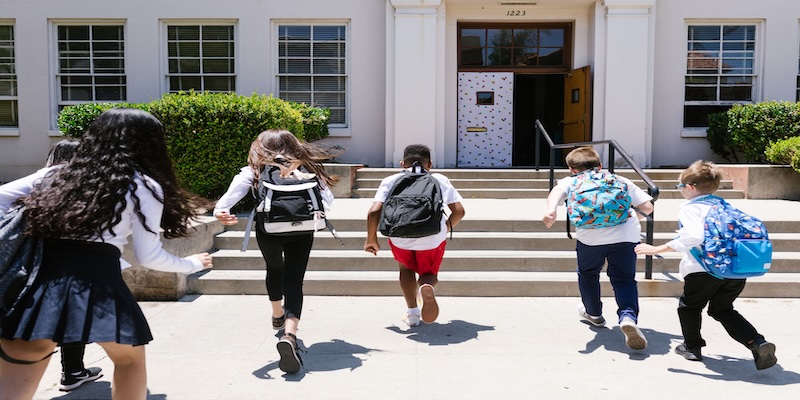



The backpack is packed. The new sneakers are sitting by the door. And your child has barely slept in three days.
Back to school season brings a lot of things: new teachers, new schedules, new social dynamics, sometimes a new building entirely. For most children, some level of nervousness is not just normal; it is appropriate. The world is asking something new of them and their nervous system is responding. But for some children, that nervousness does not settle. It deepens. It shows up in the body. It disrupts sleep. It makes the morning a battle and the drop-off a crisis. And parents are left wondering: is this just adjustment? Or is it something more?
This is the question we hear most often this time of year at Evolve Psychological Services and we want to help you answer it.
What Normal Back-to-School Anxiety Looks Like
Normal back-to-school anxiety is transitional. It is tied to the newness of September and tends to diminish over the first few weeks as the new environment becomes familiar and the routine settles. You might see:
- Difficulty falling asleep in the days before school starts
- Stomachaches or headaches on school mornings without a clear physical cause
- More clinginess than usual or some tearfulness at drop-off
- Increased moodiness or irritability as your child adjusts to the change in structure
- Questions and rehearsing of school scenarios, “What if I don’t know anyone at lunch?” that reflect normal cognitive preparation for new experiences
For most children, these symptoms genuinely resolve within the first two to three weeks. The research consistently supports this: having familiar friends during school transitions significantly improves both emotional and academic adjustment and predictable routines help the nervous system settle. The anxiety is real, but it is also self-limiting.
Warning Signs That Something More Is Happening
When anxiety persists beyond the first few weeks, intensifies rather than diminishes, or begins to significantly interfere with a child’s ability to attend school or participate in daily life, it deserves professional attention. According to Johns Hopkins experts, symptoms that continue past the first month and show no signs of improving are a signal that evaluation is warranted. Signs to watch for:
- Persistent school refusal, your child cannot or will not attend school, even after the adjustment period should have passed
- Physical symptoms such as nausea, headaches, stomachaches that appear specifically on school days and resolve on weekends or holidays
- Significant sleep disruption that is not improving: difficulty falling asleep, frequent waking, nightmares
- Regression in younger children like bedwetting, thumb-sucking, or other behaviors that had previously resolved
- Withdrawal from friends, activities, or things your child previously enjoyed
- Panic attacks, or episodes of intense physical fear including racing heart, difficulty breathing and shaking that arrive without warning
- A significant change in grades or academic engagement that is not explained by academic difficulty
For children with a history of anxiety, ADHD, or other mental health concerns, back to school transitions can be a particular pressure point. This is not a sign that something is wrong with your child. It is information about where they need more support.
Why Some Children Struggle More Than Others
Children who tend to carry more back-to-school anxiety are not weaker or less resilient than peers. They may be more sensitive to novelty or uncertainty as a temperamental trait. They may have had a difficult experience in the previous school year that has shaped their expectations. They may have ADHD or learning differences that make academic environments feel more demanding and less predictable. They may be navigating social anxiety, or a history of social difficulty, that makes the prospect of a new peer group feel genuinely threatening rather than merely unfamiliar.
Understanding the specific source of a child’s school anxiety matters, because the right support depends on what is actually driving it. Generalized anxiety, social anxiety, separation anxiety and anxiety rooted in academic difficulty all look similar from the outside and require meaningfully different interventions.
What Parents Can Do Right Now
- Validate the feeling, not the avoidance: “I can see this feels really hard and I know you can do hard things” is very different from “You don’t have to go if you’re that upset.” Validating the emotion while maintaining the expectation of attendance is one of the most important things a parent can do.
- Avoid excessive reassurance: Research is clear that repeated “It will be fine” statements actually increases anxiety over time because it signals to your child that there is something to reassure them about. Instead, express confidence in their ability to cope.
- Create predictability: Morning routines, consistent sleep schedules, and knowing what to expect reduce the cognitive load that anxious children carry.
- Connect before the transition: A playdate with a familiar classmate before school starts, a visit to the classroom, or a conversation with the teacher can make the unknown familiar before the first day.
- Stay regulated yourself: Your child is reading your emotional state. If you approach drop-off with visible anxiety they will feel there is something to be anxious about. Your calm confidence is genuinely protective.
When to Seek Professional Support
If your child’s school anxiety has persisted beyond the first month, is intensifying, or is significantly affecting their attendance, academic engagement or social life, please do not wait to seek support. Child and teen therapy at Evolve is tailored to each child’s specific profile, using evidence-based approaches including CBT, Trauma-Focused CBT, EMDR, and mindfulness-based approaches. Our parent coaching services support parents in navigating these challenges alongside their children. And if an underlying condition like ADHD or a learning difference may be contributing to your child’s school difficulty, our ADHD testing and evaluations, neuropsychological evaluations and executive function skills coaching can provide the clarity you need to get your child the right support.
Now Offering Thrizer: Making Out-of-Network Benefits Simple
We now offer Thrizer for psychotherapy clients with out-of-network benefits: pay only your estimated reduced responsibility (if plan is eligible), once your deductible is met, at the time of service and Thrizer handles the rest for a small fee: automatic claim submission & reimbursement direct to your bank. Visit our Fees & Insurance page to check your eligibility using the Thrizer widget, no phone call needed.
Your Child Deserves a Strong Start. We’re Here to Help.
At Evolve Psychological Services in Montclair, NJ, we specialize in child and teen therapy, ADHD evaluations, executive function skills coaching and parent coaching for families navigating back-to-school anxiety and the challenges of the school year. We serve families in-person across Essex County and virtually throughout NJ, NY, and PsyPact states.
Call or text us at (973) 891-0793 or reach us through our secure online contact form. You know your child. If something feels off, trust that instinct. We’re here to help you understand what’s happening and what to do about it.